
The world may seem to collapse when you dive into a pool of debt. You may be swirling in thoughts, you are not sleeping, you are worried about your next paycheck. In such circumstances, gaining control over debt or seeking solutions seems challenging.
However, you cannot stay blindfolded to pending payments either. If you struggle to find practical ways to clear the dues, don’t worry. The blog lists the best steps to gain control over finances and debt. Read ahead to know the best ways to regain control over finances.
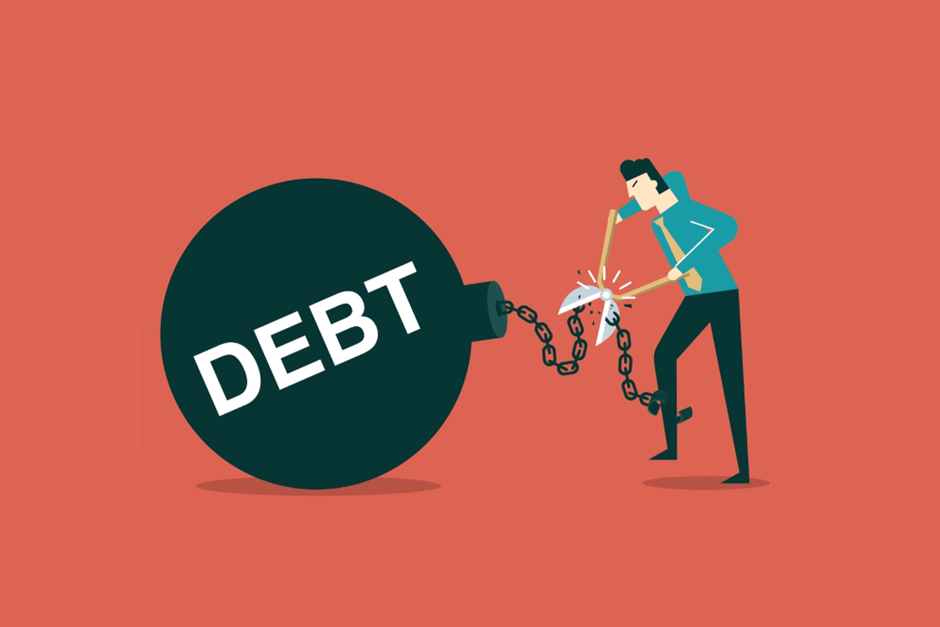
What to do if drowning in debt?
Around 8 out of 10 individuals find themselves in heavy debt. Countering debt alongside the cost-of-living expenses is challenging. It hardly leaves any money to save enough. However, missing payments, defaulting, or forgetting to pay may affect the credit rating and finances. It may provoke inconvenient actions from creditors like- CCJ. If you find no probable solution to clear the debts and re-control finances, read ahead:
1) Step 1- List and categorise debt
It is the first thing you need to check to pay the debts strategically. Identify the debts you currently hold- secured, unsecured, short-term, or long-term ones. It is important to list out the details, for example, mortgages, payday loans, credit cards, student loans, etc.
Include interest rates, monthly instalments, and penalty costs to pay on missed payments. It will help you get an approximation of how much you owe on your debts. Accordingly, you may create a budget to pay the dues.
2) Step 2- Identify the ways to pay the debts
After knowing the debts, identify the best way to counter these. You can begin with the smallest ones first and pay the minimum on the other. For example, you can pay overdrafts, payday loans, and credit card debts. Alternatively, you can begin by paying the debts with the high interest rates and costs first. It may include the one with the heavy monthly payments.
For example, paying mortgages, student loans, then credit cards, and payday loans. It helps you get debt-free quickly. It may even help you save money on interest rates. For example, debt consolidation may help you merge multiple debts into a single payment. It helps you boost your credit score and bring down your liabilities quickly.
You can consider debt consolidation loans for bad credit in the UK with no guarantor from a direct lender online. It may help you balance the best of both worlds. You may get a loan with a bad credit history if you improve payment patterns or income. Moreover, no guarantor facility grants the opportunity to decide the debts you want to settle without intervention.
You can choose according to your finances, affordability, and credit issues. Debt consolidation optimises your credit and reduces the interest you owe on debts. Therefore, you pay less than the previous agreement.
3) Step 3- Set a budget for the payments
It is easier said than done. It is relevant, especially when it comes to setting a budget for payments. You may struggle to allocate a specific portion to every debt. However, when you choose how to repay the debts, budgeting gets easier. For example, if you choose to repay the small debts first, you can set direct debits and repay the dues automatically.
The small payments per month would not affect the other expenses much. Alternatively, check whether you can negotiate the principal or interest with creditors. It is possible if your current financial situation is grim.
You can provide a report on why you cannot repay the dues in a timely manner. The creditor may help you with an alternative plan or waive some dues. However, it is a rare possibility. He may reduce but not waive off the complete loan. Only in situations like long-term unemployment, bankruptcy, insolvency, or permanent disability may it be possible.
Step 4- Cut on spending or prefer a “no spend week”
When you are serious about getting debt-free, cut down on the expenses. It is not about sabotaging critical needs like food, shelter, and clothes. It is more about leading a sustainable lifestyle without collecting debt. For this, you can try a “no-spend week.” Under this, arrange for the most important things like groceries, paying the utility bills, and other things that you need within a week.
Next, control and prepare your mind for not spending throughout the week. It will bring down unnecessary expenses and help you save more money. Initially, you may struggle with doing so. However, it may later prove rewarding for your finances. You can rather use the money towards debt repayments.
5) Step 5- Find ways to earn more (not windfall)
You may save by cutting unnecessary expenses. However, you still need to boost your income. It grants the flexibility to manage debts and save strategically. You can try to get part-time income through online paid gigs. Check relevant and authentic job options like online teaching, writing, or affiliate marketing.
Choose the one that aligns with your interest and the industry you work in. Increasing the basic pay will help you catalyse the process of debt repayment. Don’t wait until you get a hike. Shift the job. It is important if you don’t see any hope of getting one in the current company.
However, you need a constant cash backup if you are in between jobs. Identify the savings and check whether you can use a part to manage the expenses. If you set the direct debits or plan the debt payments, don’t disturb the process. Instead, check instant cash loans that may help you.
You may get bad credit loans with guaranteed approval from direct lenders online. It is ideal for individuals with missed payments, CCJ, pending debts, and penalties. You may get guaranteed approval if you meet the basic eligibility criteria and affordability. If you lack enough cash flexibility for interview expenses and skill enhancements, use it. You may get it online the same day without detailed documentation.
6) Step 6 – Monitor debt payment progress
After indulging in the process of debt clearance, monitor the changes. Identify what impact paying certain debts has on your credit report and score. How can you improve the situation? For example, you may see quick improvement in your credit rating after debt consolidation.
However, check where you can use the money that you save on repayments and how you can better counter urgent needs and debts with a lump sum. It will help you optimise the financial report card.
Bottom line
If you feel that debts fall through the cracks but you cannot do anything, the tips may help. It may help you regain the tangent and create a plan. Identify the debts you want to pay first. It could be small or long.
Decide on one according to your current financial circumstances and income. You can even try to negotiate the dues with the loan provider. It may further help you save some money and regulate dues better.
 Finance News UK - Loan and Interest